
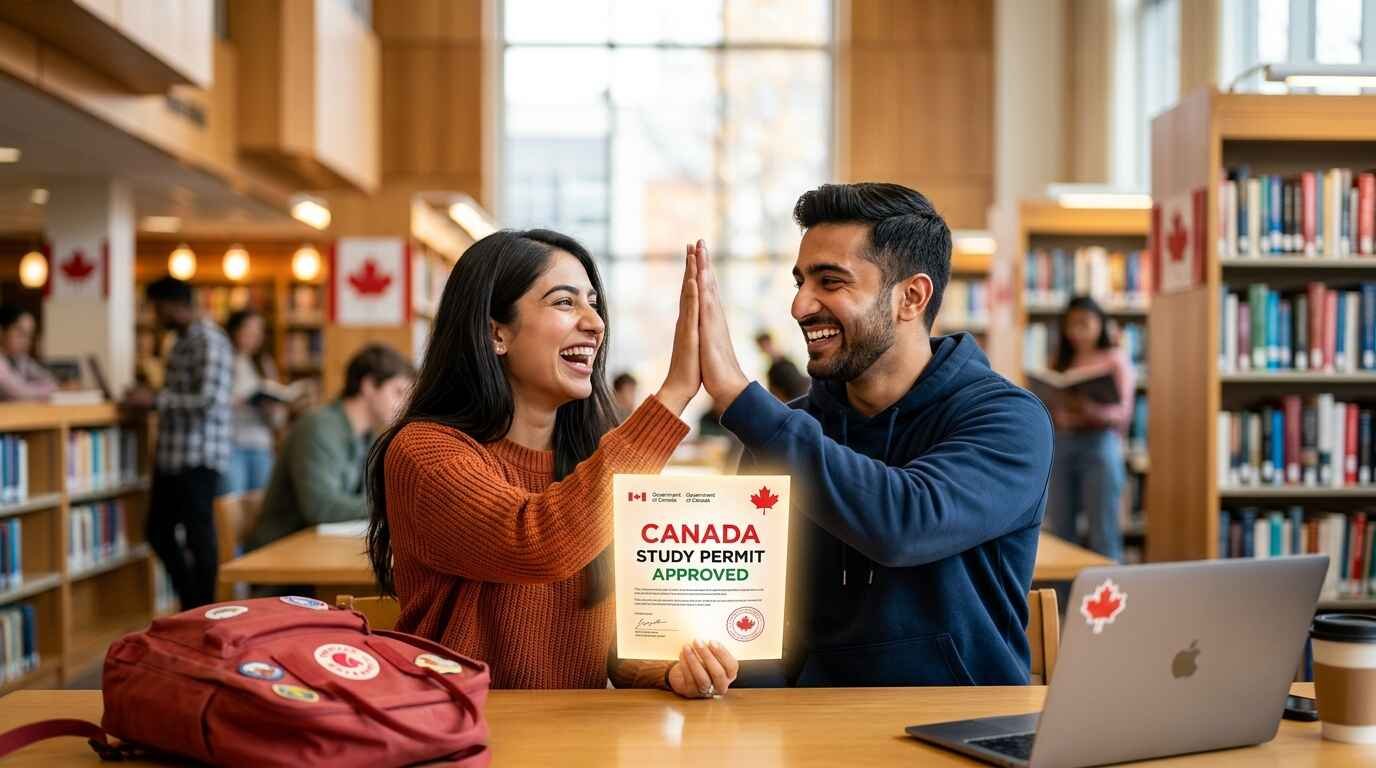
Your Complete Guide to the Canadian Study Permit for 2026
Dreaming of pursuing your education in Canada in 2026? Your journey begins with securing a study permit. This essential document, often called a student visa, is your key to unlocking a world-class education and vibrant life in one of the globe’s top destinations. With recent policy refinements from Immigration, Refugees and Citizenship Canada (IRCC), staying informed is your first step to success.
This guide will walk you through the entire process. We’ll cover the latest Canada student visa requirements for 2026, explain the financial proof you need, and demystify the online application. Let’s map out your path to becoming an international student in Canada.
Why Choose Canada for Your Studies in 2026?
Canada continues to offer an unbeatable mix: renowned academic institutions, post-graduation work opportunities, and a pathway to permanent residency. However, the landscape is evolving. To ensure sustainable growth, the government has implemented a cap on study permit applications. The good news? If you’re aiming for a master’s or doctoral degree at a public university, you are exempt from this cap and the associated Provincial Attestation Letter (PAL) requirement as of January 2026. This strategic move is designed to attract and retain top-tier global talent.
Navigating the 2026 Policy Landscape: Key IRCC Updates
Staying ahead means understanding the latest rules. For 2026, notable updates include adjusted permit validity for prerequisite programs and streamlined processes for joint degrees. Most importantly, the exemption for graduate-level students at public Designated Learning Institutions (DLIs) is a significant opportunity. These changes underscore Canada’s commitment to a balanced and high-caliber international student program.
Breaking Down the 2026 Study Permit Requirements
Meeting the Canada student visa requirements is a non-negotiable part of your application. Here’s your essential checklist:
- Letter of Acceptance: A confirmed spot from a Canadian Designated Learning Institution (DLI).
- Proof of Identity: A valid passport and recent passport-sized photographs.
- Proof of Financial Support: Clear evidence you can cover tuition, living expenses, and travel for your first year.
- Provincial Attestation Letter (PAL): Required for most undergraduate and college programs, unless you qualify for an exemption (e.g., master’s/PhD at a public DLI).
- Additional Documents: May include a medical exam, police certificate, and a statement of purpose demonstrating ties to your home country.
Is There an Age Limit for a Canadian Student Visa?
In a word: no. Canada does not impose a strict Canada student visa age limit. Applications are assessed on merit, regardless of age. Mature students should focus on crafting a strong study plan and clearly explaining any gaps in their academic or professional history to bolster their application.
Financial Proof: Understanding the Cost of Living Requirement
This is a cornerstone of your application. As of the latest update, you must prove you have, at minimum, $22,895 CAD (outside Quebec) for living expenses, plus your first year’s tuition and travel costs. This amount increases if you are bringing family members.
Proof can be shown through:
- Bank statements for the past four months.
- A Guaranteed Investment Certificate (GIC) from a participating Canadian financial institution.
- Proof of a student or education loan.
- Official scholarship or funding letters.
Your Step-by-Step Online Application Blueprint
Applying online is the standard and most efficient method. Follow these steps to navigate the Canada study permit application portal with confidence.
- Create an IRCC Secure Account: Use the GCKey portal or sign in with a partner platform.
- Confirm Your Eligibility: Utilize the online “Come to Canada” tool for an initial check.
- Prepare Digital Documents: Scan every required document, including your acceptance letter and financial proofs.
- Complete the Application Form (IMM 1294): Fill it out accurately and completely.
- Pay the Fees: The study permit processing fee is $150 CAD. Biometrics ($85) are an additional, often required cost.
- Submit and Upload: Finalize your application through your online account.
- Provide Biometrics: Schedule an appointment at your nearest Visa Application Centre (VAC).
- Monitor Your Application: Processing times vary; track your status online through your IRCC account.
If approved, you will receive a Port of Entry (POE) Letter of Introduction. This is not your study permit, but the document you present to a border services officer upon arrival to receive your official permit.
From Approval to Arrival: The Port of Entry Letter
Think of your approval letter as a golden ticket. It confirms your application’s success and provides details for your entry into Canada. Upon arrival, present this letter along with your passport, proof of funds, and your letter of acceptance. The border officer will then issue your official study permit, finalizing your status as an international student in Canada.
Pro Tips for a Winning 2026 Application
- Start Early, Apply Early: Processing can take months. Beating deadlines and potential caps is crucial.
- Authenticity is Everything: Provide honest, consistent information across all documents and interviews.
- Master Your Financial Narrative: Go beyond the minimum; show stable, accessible funds to cover your entire first year comfortably.
- Consider the Student Direct Stream (SDS): If you’re from an eligible country, this pathway can offer faster processing with upfront requirements like a GIC and medical exam.
- Craft a Compelling Study Plan: Clearly articulate your academic goals and your intention to return home after your studies.
Frequently Asked Questions (FAQ)
What are the biggest changes to the study permit process for 2026?
The most significant change is the exemption for master’s and doctoral students at public DLIs from the national application cap and the Provincial Attestation Letter (PAL) requirement. Other updates include adjusted permit lengths for preparatory programs.
Is there a maximum age for applying for a Canadian study permit?
No, there is no official maximum age. Applications are evaluated based on the merit of the applicant, their study plan, financial stability, and ties to their home country.
How much money do I need to show in my bank account for a 2026 study permit?
You must prove you have at least $22,895 CAD for living expenses (if applying from outside Quebec), in addition to your first year’s tuition and travel costs. This is the updated minimum for 2025/2026.
What is the difference between the approval letter and the study permit?
The approval letter (Port of Entry Letter) is your notification that your application was successful. The actual study permit is a physical document issued by a border officer when you enter Canada, which outlines your conditions of stay.
Can I work in Canada while holding a study permit?
Yes, most study permit holders are allowed to work up to 20 hours per week during academic sessions and full-time during scheduled breaks. Your permit will indicate if you are authorized to work.
